 FIELD NOTES / GRENADA 2026
CHAPTER 01 / WEDNESDAY, 21 OCTOBER 2026
Making the blue economy work for MPAs.
Healthy seas create value. Day 1 asked how that value can return to the people and organisations protecting them.
View Day 1 photographs · 51 images ↗DAY ONE / THE OPENING CONVERSATION
What can the blue economy mean for marine protected areas?
The opening day of MPAConnect’s Grenada workshop invited marine protected area managers to explore how ocean-based economic activity might support conservation—and what it takes to turn opportunities into lasting benefits for protected areas.
A visitor can leave with a deeper understanding of a reef, a student can learn in the field, and a national financing agreement can create obligations to protect marine ecosystems. The question connecting these different scales is how support reaches the work of management: the staff, systems and partnerships that keep conservation going.
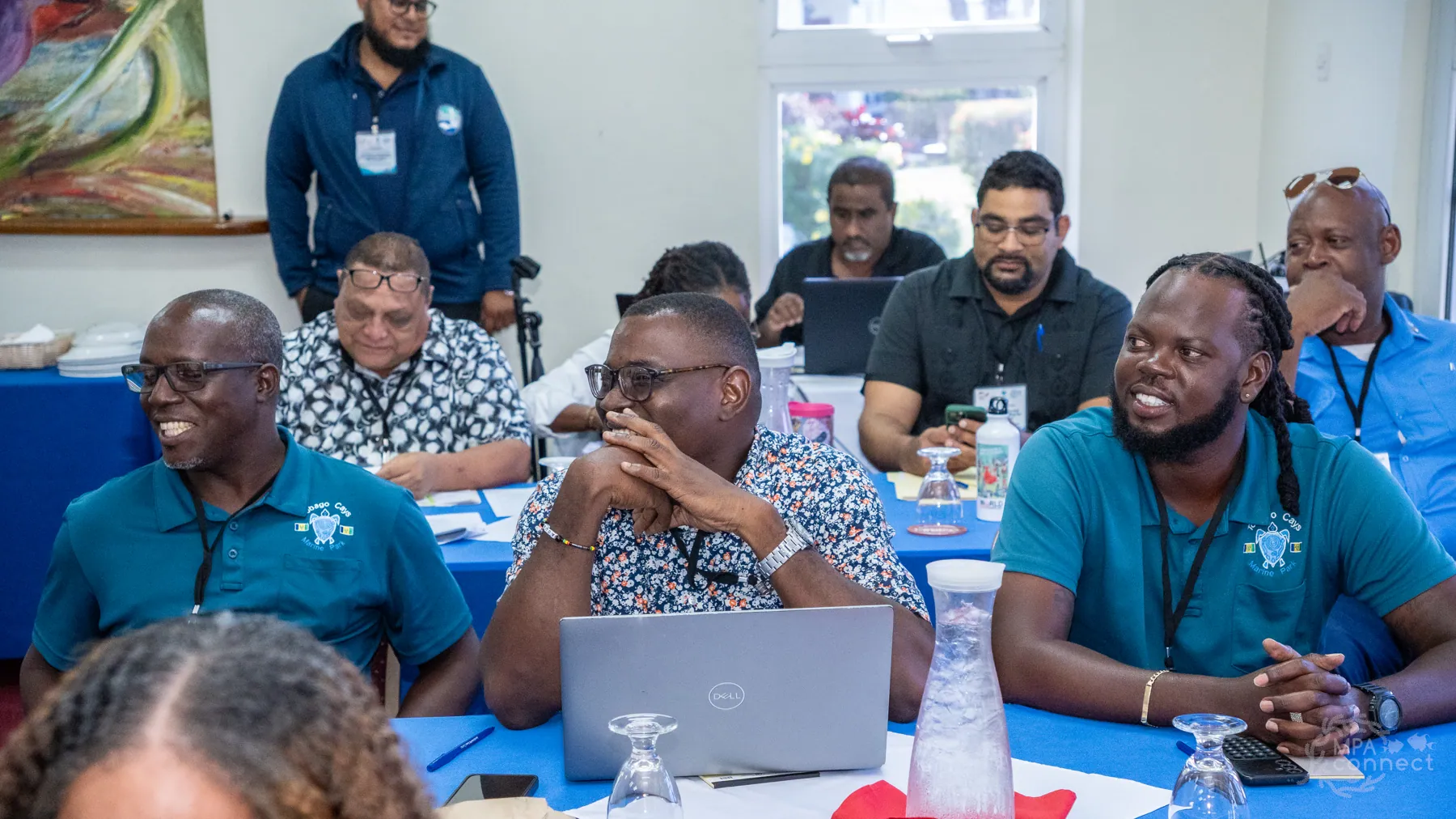
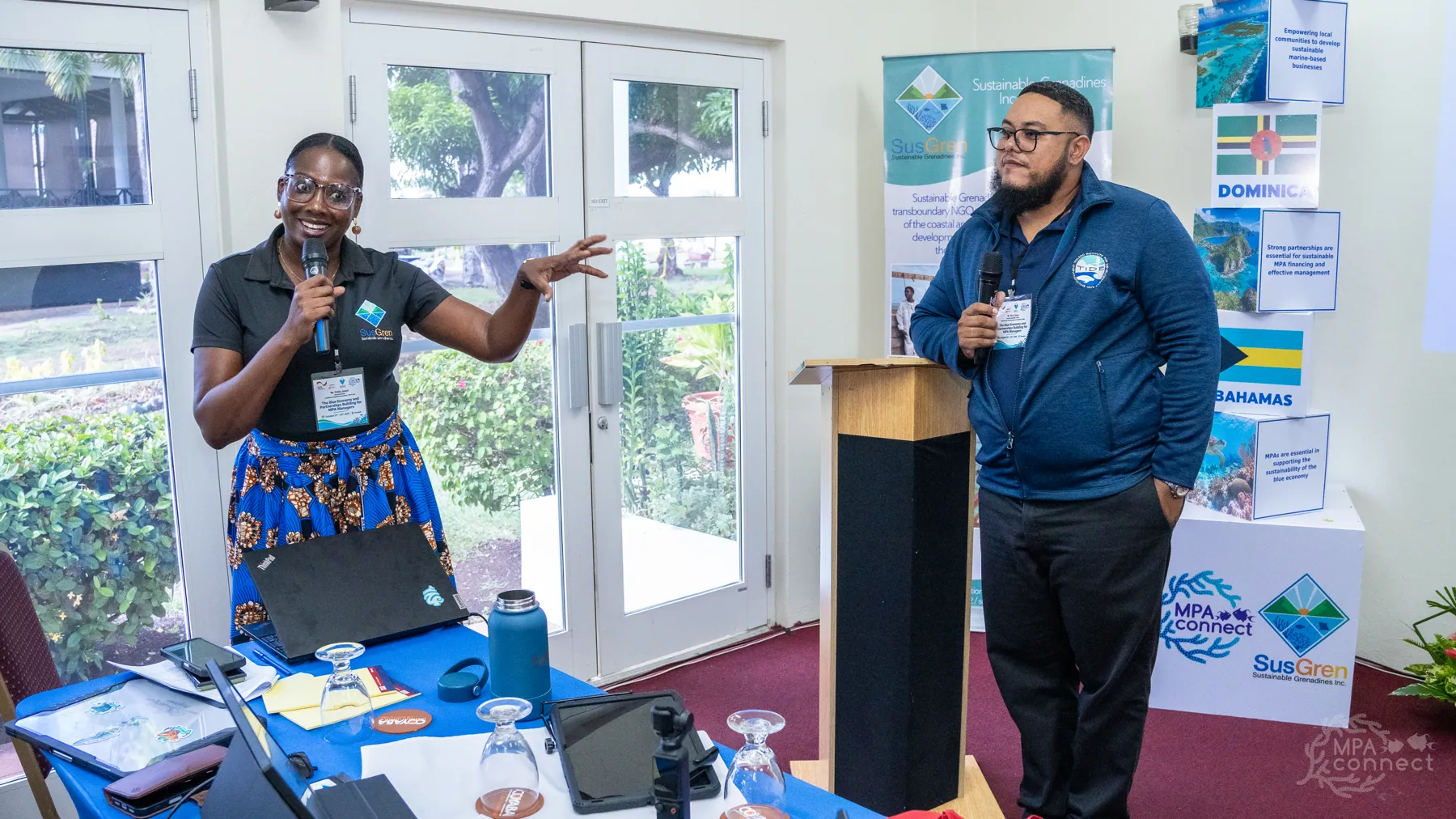
The exchange was convened by MPAConnect and SusGren, with support from NOAA and GIZ. It built on GCFI and the network’s sustained work on financing and management capacity.
THE OPENING / LAURAH JOHN · GIZ
Build on what already works.
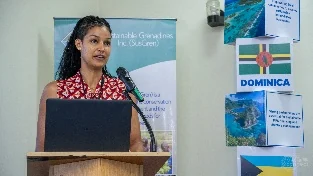
Before the case studies, Laurah John put the financing conversation in the context of years of Caribbean conservation work. Her opening speech was delivered without slides.
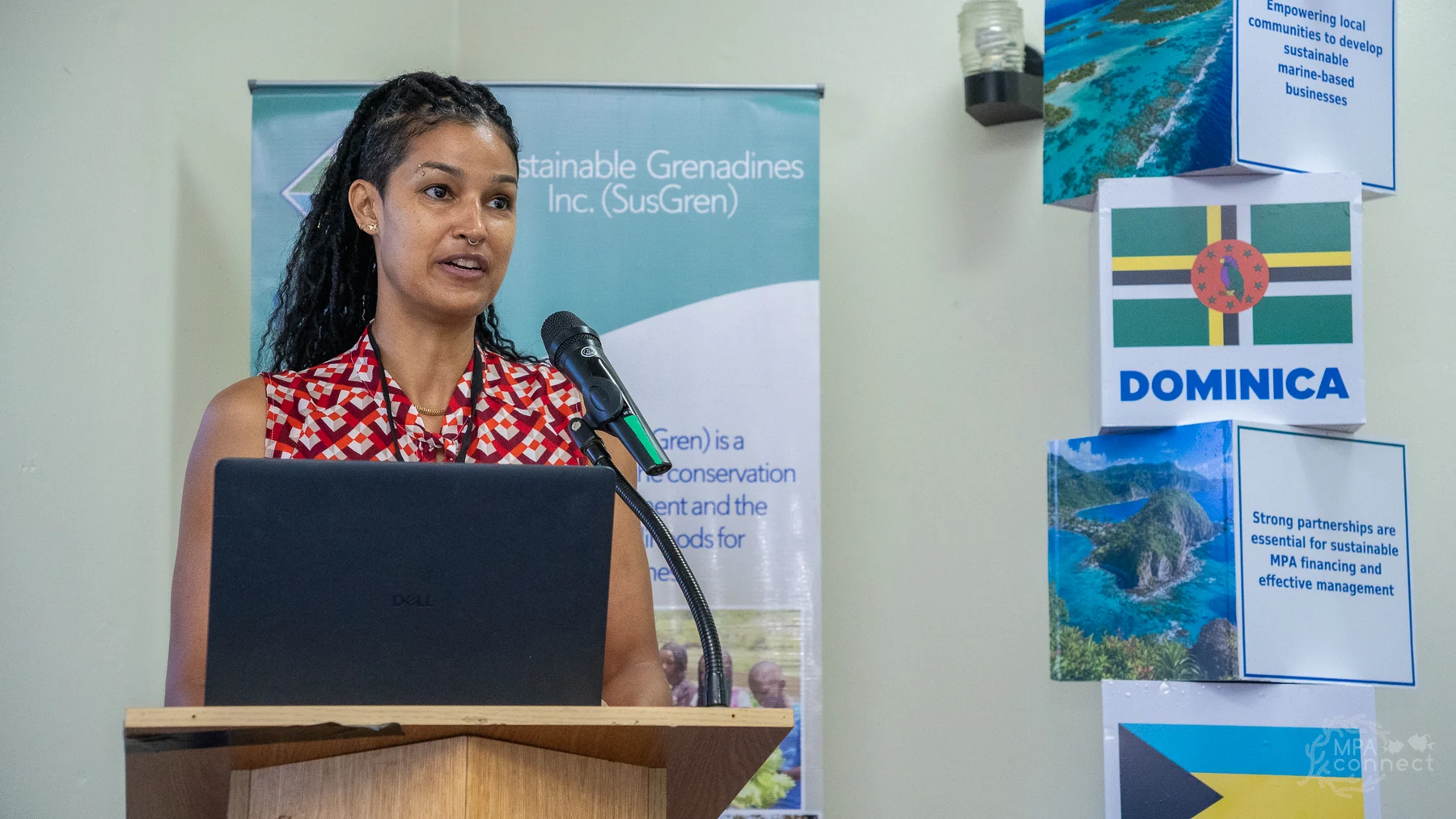
She traced a connection between community livelihoods, stronger fee collection and the everyday capacity of MPA organisations. Identifying a revenue opportunity is only one step: managers also need partnerships and financial systems that can turn it into dependable support.
Three questions to carry through the exchange
What is already working? What practical barriers remain? What can managers take away and implement?
Laurah introduced branded merchandise as an idea to explore later: a possible supplementary income stream to test and assess. The later product mock-ups belong to that separate merchandising discussion.
Read Laurah’s opening remarks ↗01 / FRAMING THE OPPORTUNITY
Understanding the blue economy
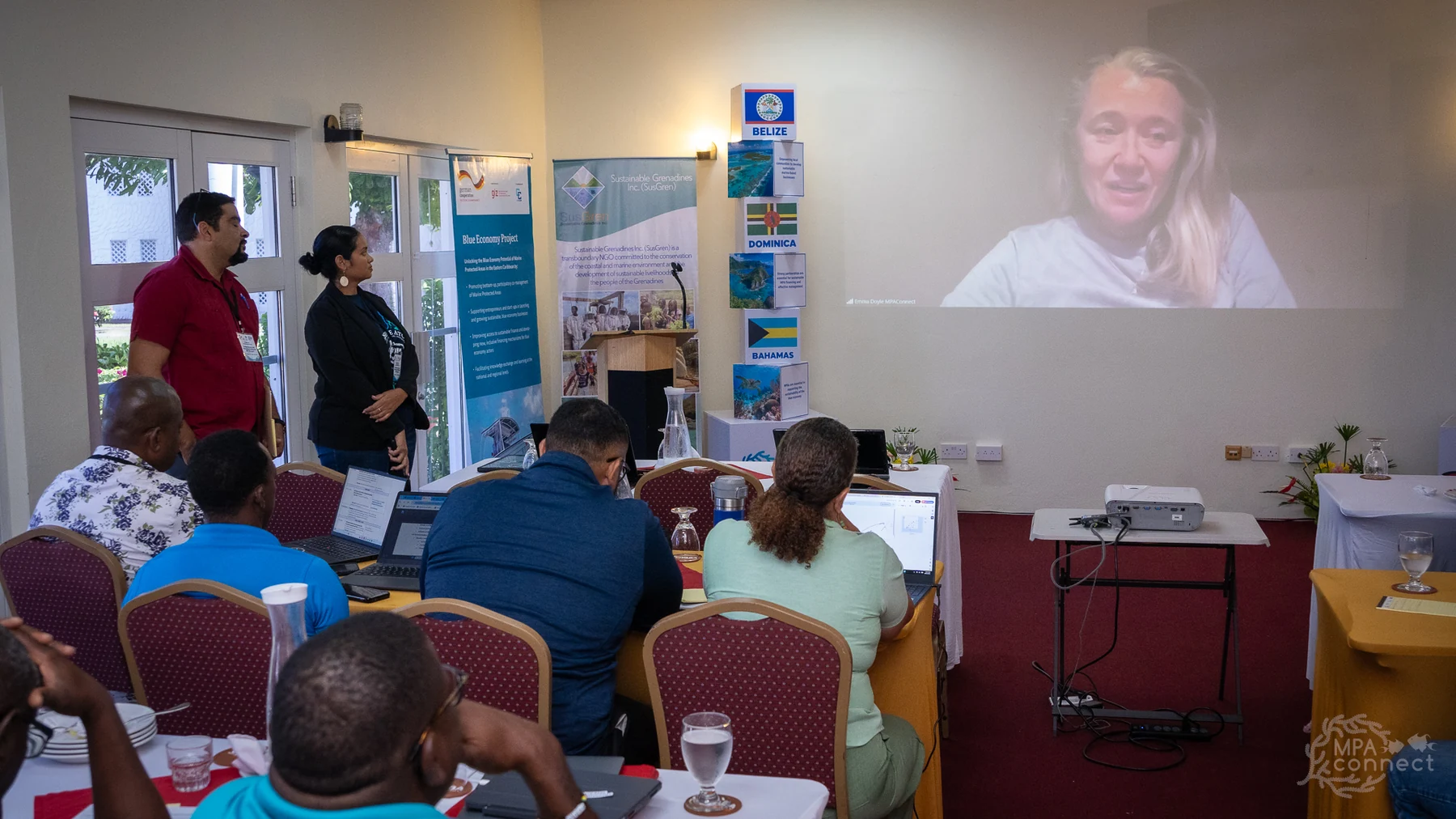
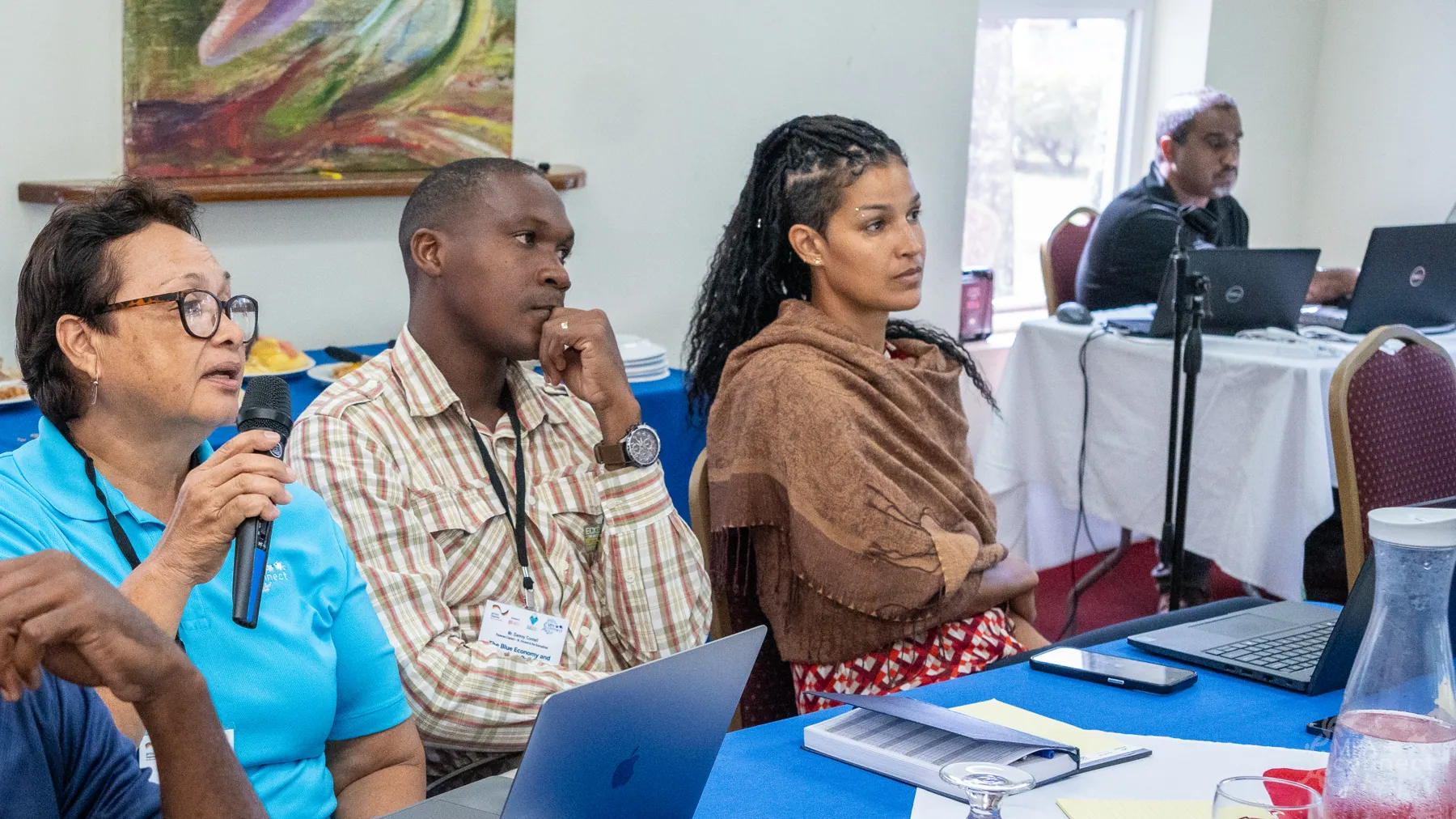
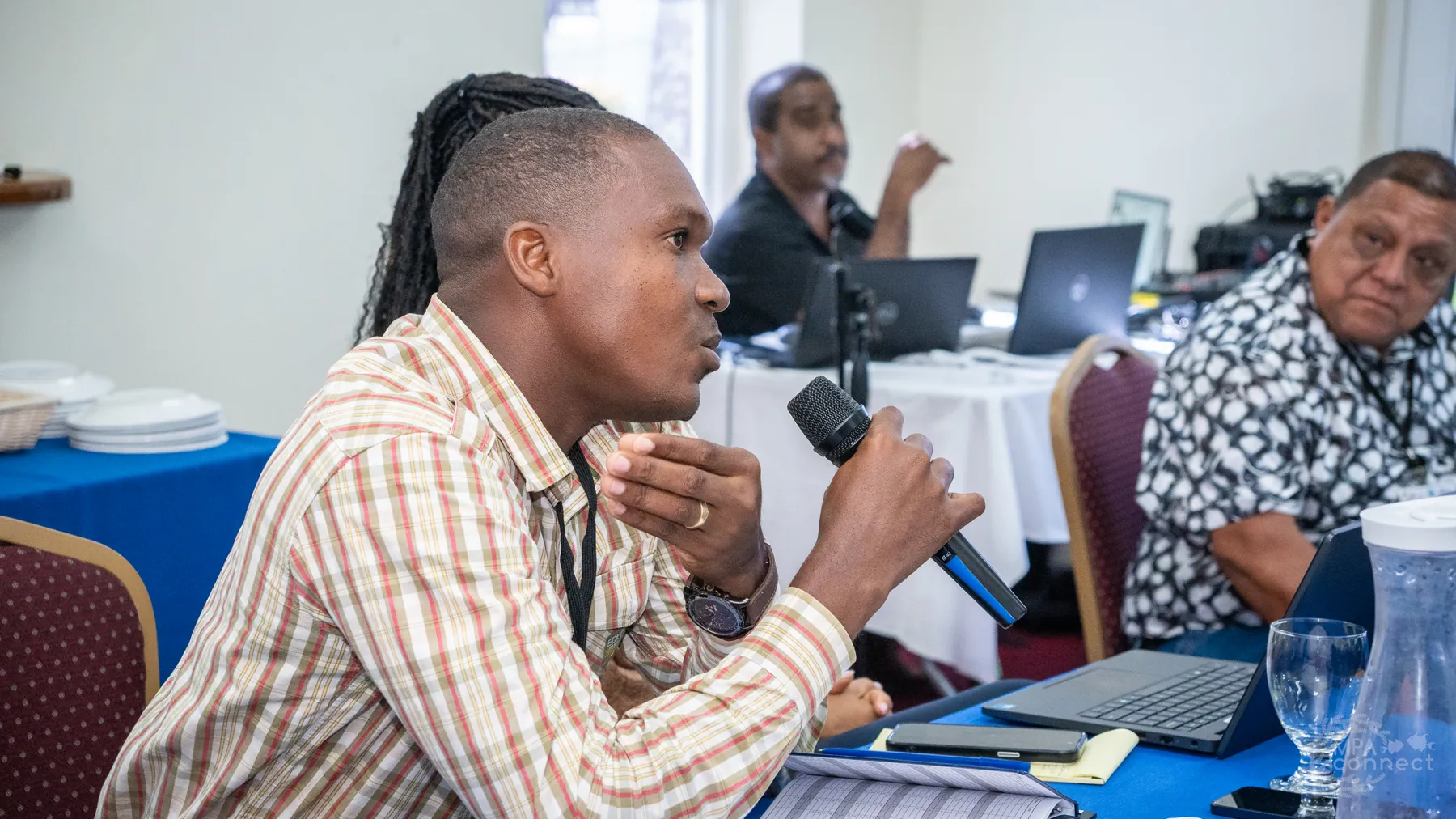
Emma Doyle asked managers to look beyond the label. In her framing, the blue economy links economic activity with livelihoods, community voice and healthy marine ecosystems. For MPAs, the practical question is how ocean value can be reinvested in protection and restoration.
She connected that question to partnerships, MPA business ventures and a stronger voice in development planning. An activity’s contribution to a protected area has to be considered alongside its effects on reef health and surrounding communities. Read Emma’s session ↗
02 / APPROACHES IN PRACTICE
Different routes to sustainable financing
The day’s examples connected financing to specific relationships: students and field educators, resort guests and conservation staff, MPA organisations and enterprise partners, and a government making long-term conservation commitments.
The day’s examples included Delonie Foreman on Turneffe Atoll Blue Talks, Oliver Garay on TIDE’s STEM education tourism programme, Ann-Marie Carroll on blue enterprise, and Beverly Wade on Belize Blue Bonds. Laurah John’s opening introduced a merchandising idea that returned in the separate Day 3 discussion.
FEATURED SESSION / TIDE
Education tourism and conservation
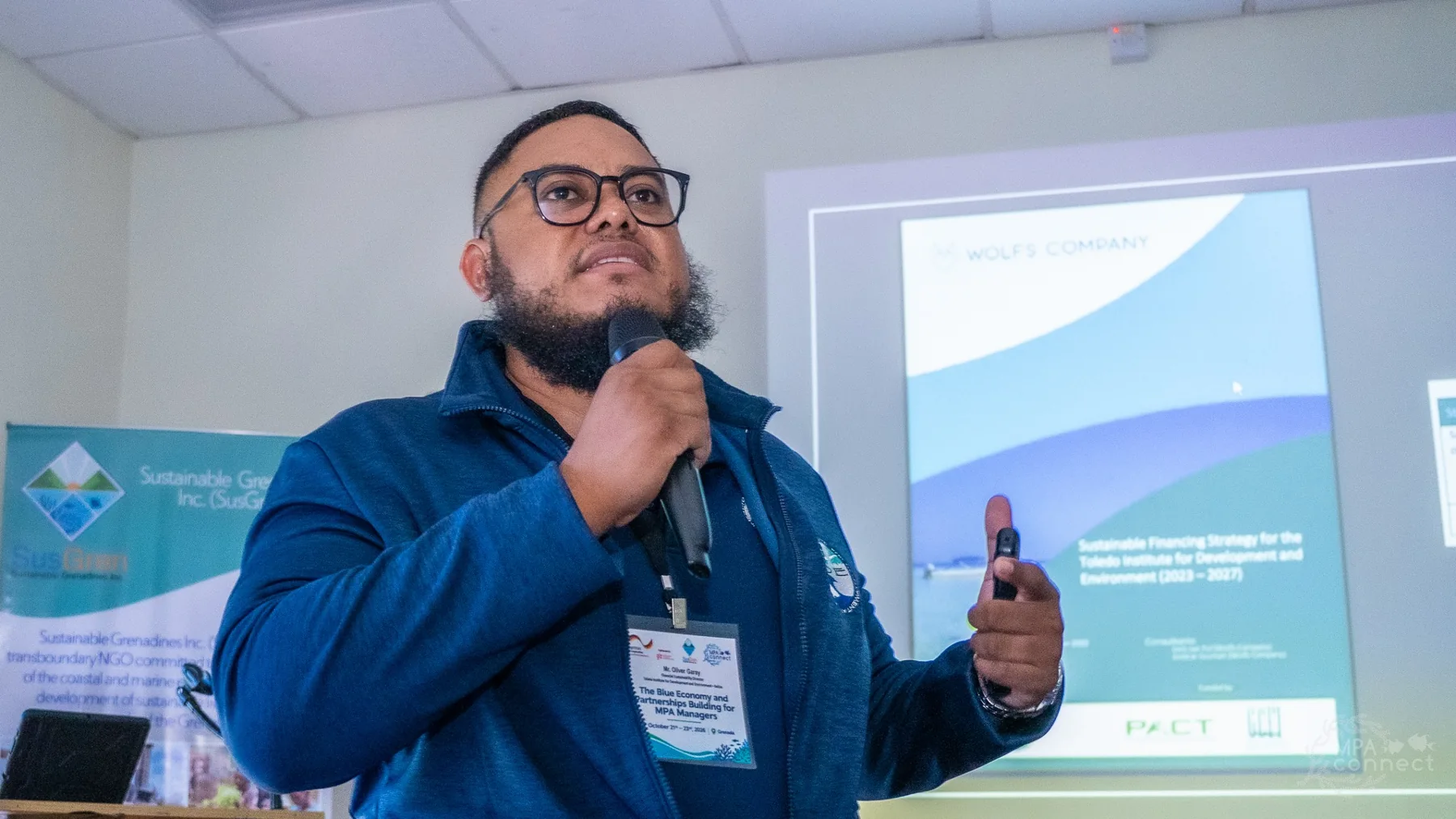
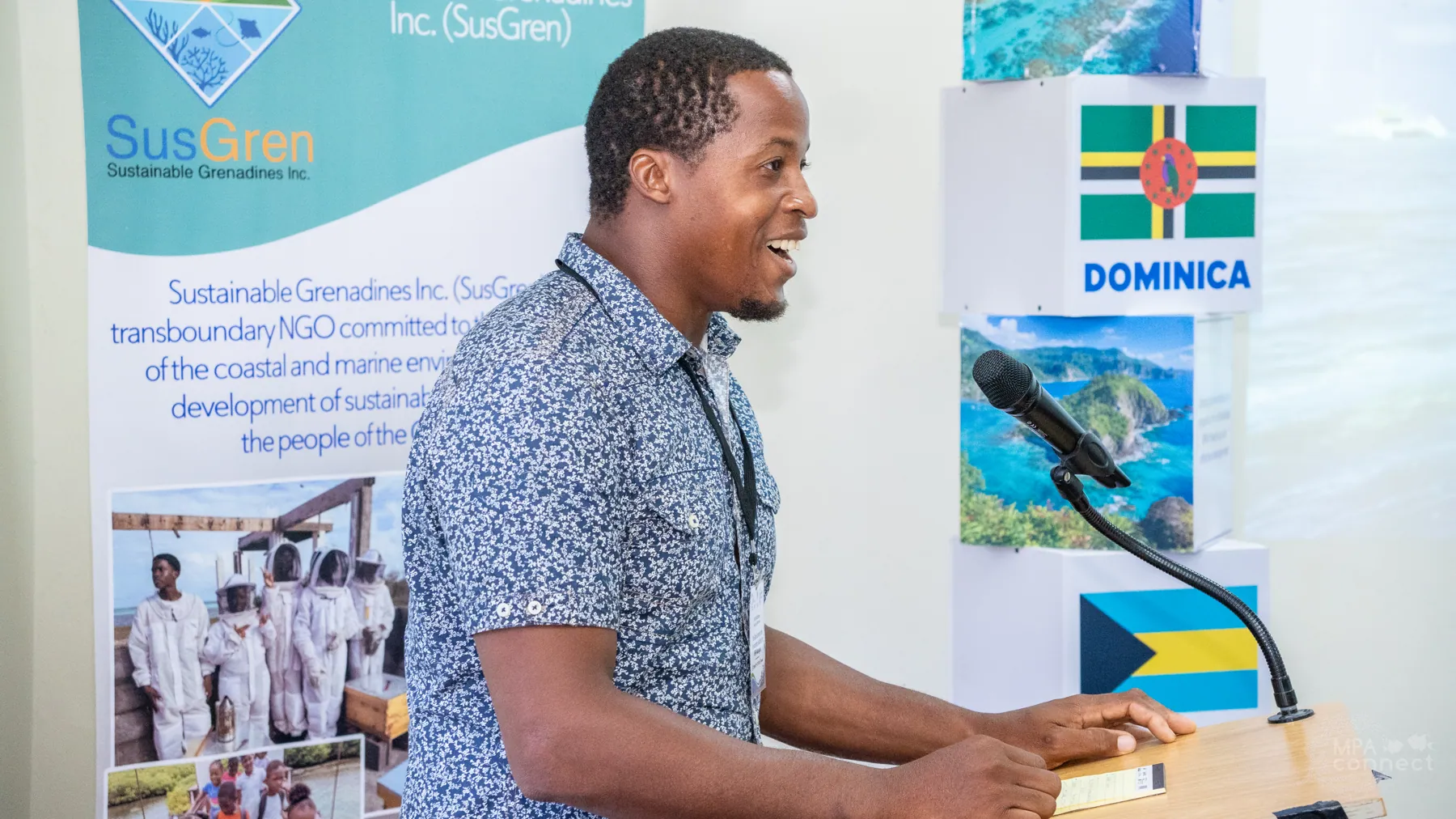
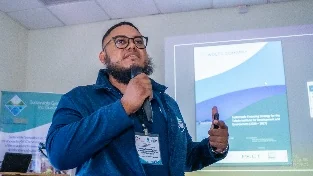
Oliver Garay shared TIDE’s STEM programme as an example of how education, partnerships and visitor experiences can be considered within a sustainable financing approach.
His case study follows the visitor journey through field learning, accommodation and logistics, with selected slides, the full presentation and a recorded Q&A available to explore.
Explore Oliver’s session ↗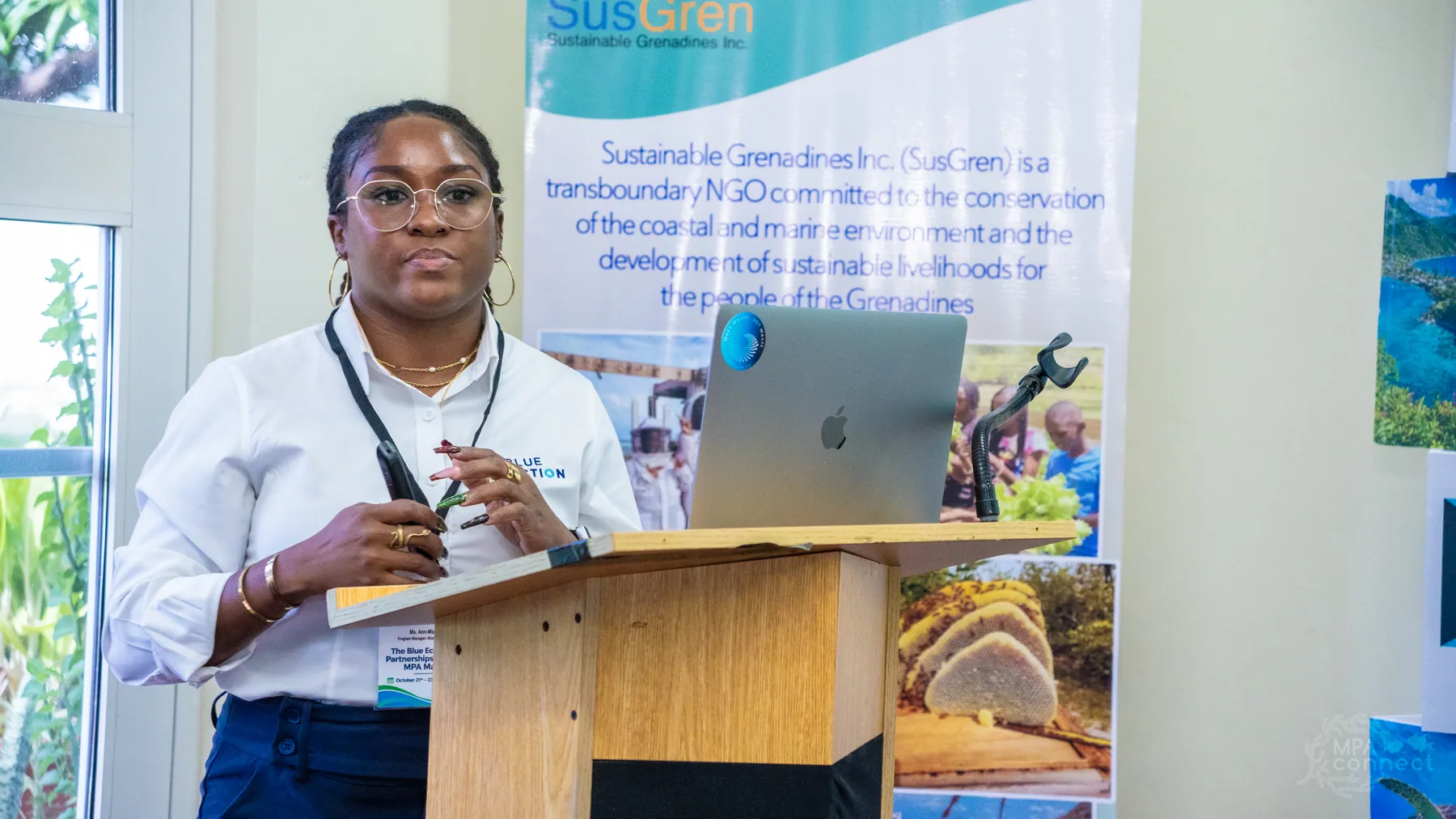
02A / TWO CASE STUDIES, TWO APPROACHES
Two ways to turn conservation into lasting support
Oliver Garay and Delonie Foreman described two approaches built around the experiences people have in protected areas. One organises a learning journey; the other creates a pathway from a visitor’s connection with the reef to conservation giving.
TIDE, BELIZE / OLIVER GARAY
Bring the classroom into the protected area.
TIDE's approach connects purpose-built environmental learning with the protected areas and communities of southern Belize. Its STEM programmes are designed around field experiences, with local guides, accommodation, transport and other services forming part of the visitor journey.
Oliver's presentation described five programme areas: forest restoration, birds, mangroves, sea turtles and marine science. The financing question is not only what visitors pay, but how educational tourism can sustain conservation work and benefit local service providers.
Explore Oliver's case study, slides and Q&A video ↗VIEW THE CASE STUDY ↗
Conservation experiences can create value beyond a single entrance fee.
TASA, BELIZE / DELONIE FOREMAN
Turn a visitor's experience into a conservation relationship.
At Turneffe Atoll, TASA's Blue Talks began as a way to explain the conservation work taking place around resort guests. According to Delonie's presentation, guests then asked whether they could purchase the branded gear worn by the team. That interest helped shape a donation model in which supporters receive merchandise as a thank-you.
Delonie described tracking participation and contributions, making it easier to understand how visitor engagement supports the reserve. The central lesson is to lead with credible conservation storytelling, then make it easy for interested visitors to contribute.
Explore Delonie's case study, slides and video ↗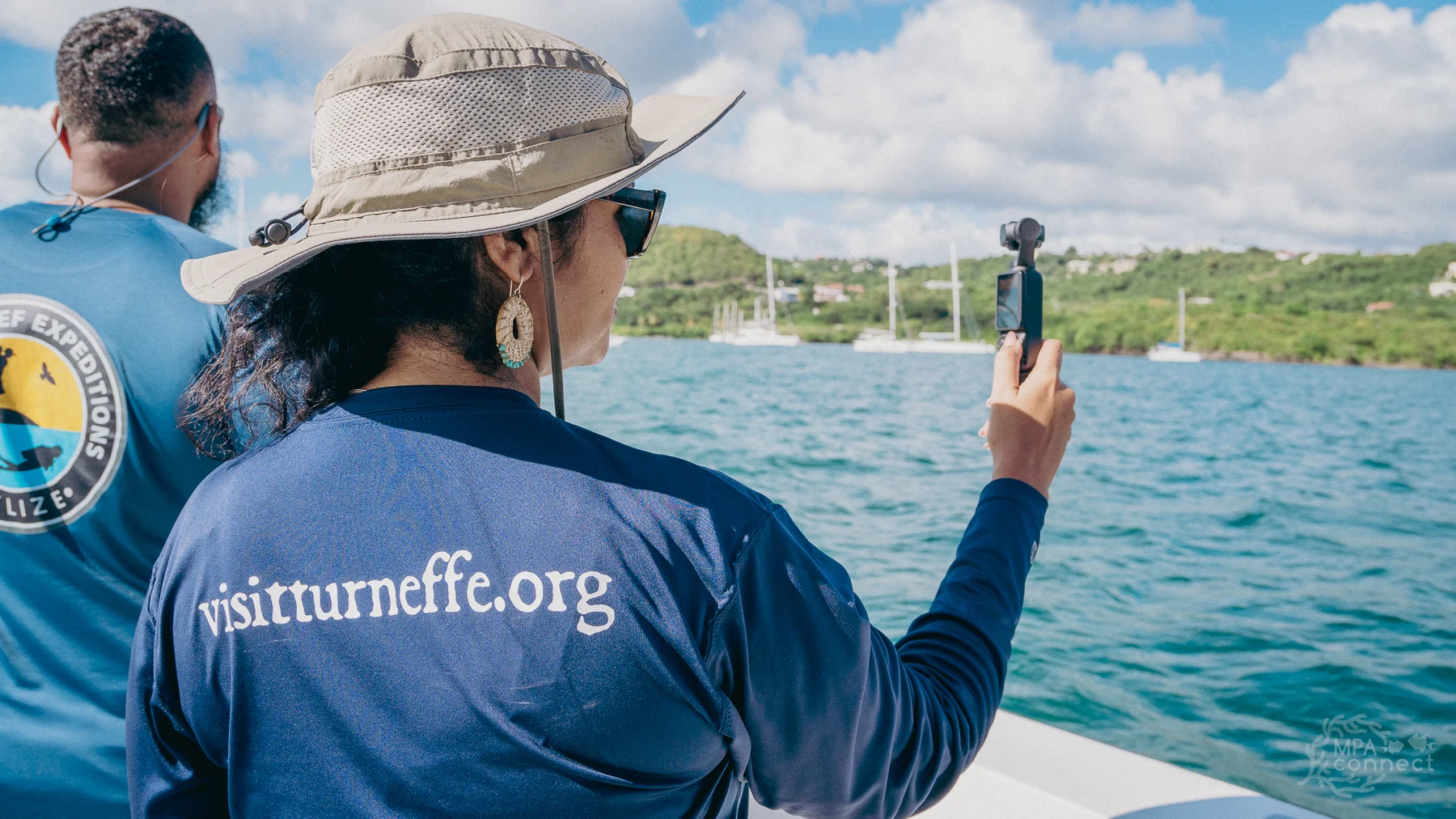 DAY 3 FIELD VISIT / VIEW THE CASE STUDY ↗
FOR MPA MANAGERS
What might translate to another protected area?
Universities and visiting students may need a structured learning experience; resort guests may respond to a compelling account of the conservation work they have just witnessed.
Whether through a programme booking or a voluntary donation, visitors should understand what they receive and how their support relates to conservation.
Consider programme costs, operational income, community participation and conservation outcomes—not gross receipts alone.
AN IDEA TO TEST / LAURAH JOHN · GIZ
From an opening question to a product concept.
The merchandising idea introduced on Day 1 returned in the recorded Day 3 discussion. Laurah’s later six-slide deck makes the idea tangible, with starter kits for three protected areas and concepts for customisable and collectible items.
The mock-ups show shirts, bottles and caps carrying protected-area identities, followed by stickers, a passport concept and a bottle, tote bag and sticker collection. They provide a starting point for discussing an offer visitors might value.
The designs gave managers a starting point for testing visitor demand, choosing suitable products and considering the work involved in managing a merchandising offer.
Read the later Day 3 discussion ↗ Explore all six mock-up slides ↗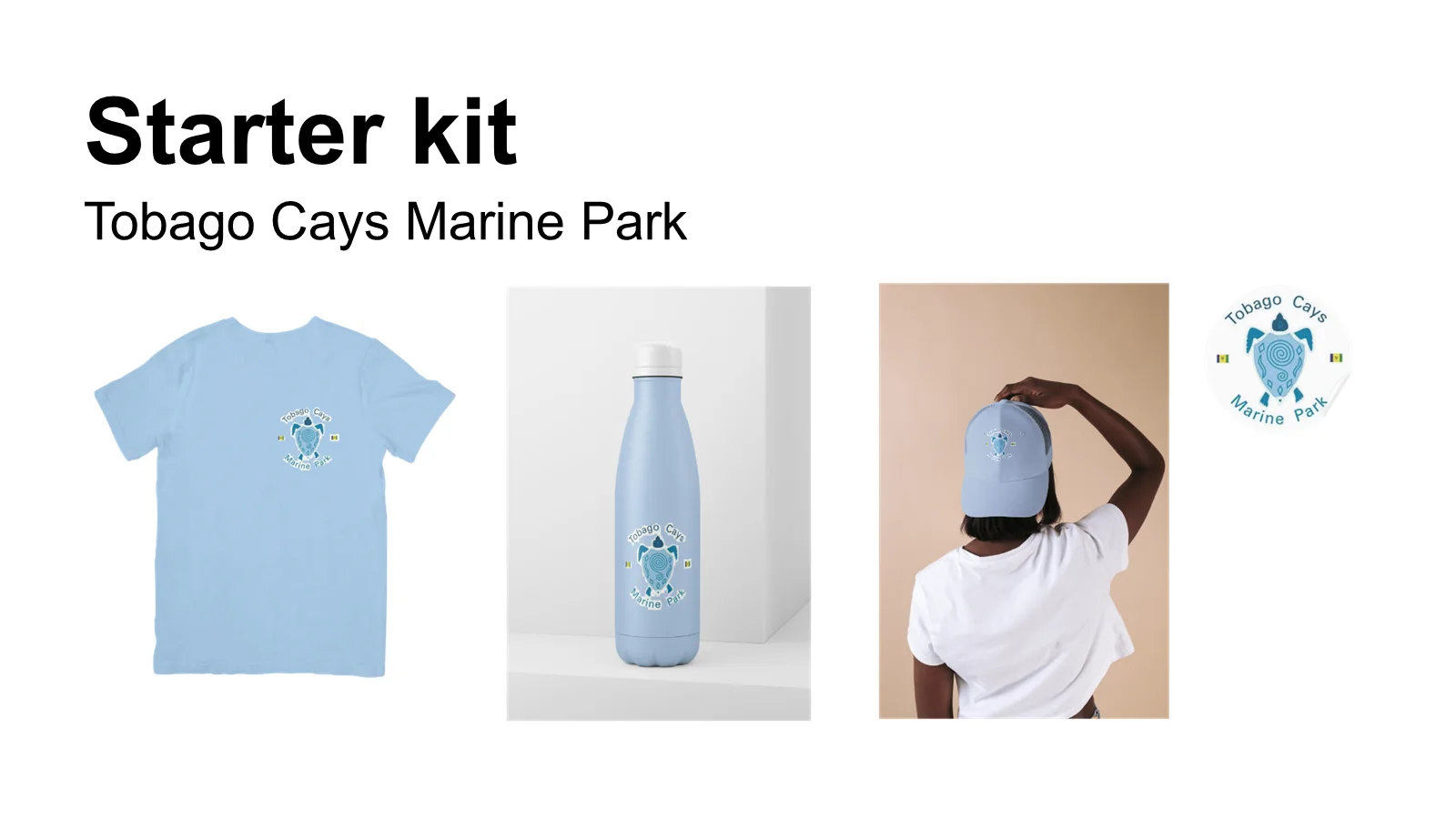
BLUE ACTION LAB / ANN-MARIE CARROLL · THE BAHAMAS
Invest in the people behind the opportunity.
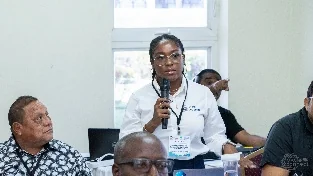
Ann-Marie Carroll brought a community enterprise perspective to the financing conversation. At Blue Action Lab, conservation, education and business development are connected through practical learning and support for emerging ventures.
Her examples included queen conch mariculture, educational visits to Conservation Cove, youth internships and entrepreneurship support. The emphasis was on helping people move from an idea to a tested offer: understanding customers, planning finances, finding partners and communicating the value of a business.
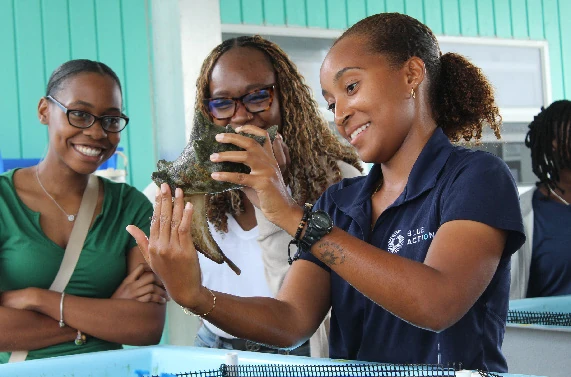
The discussion also kept the conservation test in view. Participants asked about monitoring released conch, engaging fishers and maintaining broodstock diversity. The pearl initiative was experimental, and the conversation explored the work needed to turn a promising concept into a responsible livelihood opportunity.
Read Ann-Marie’s case study ↗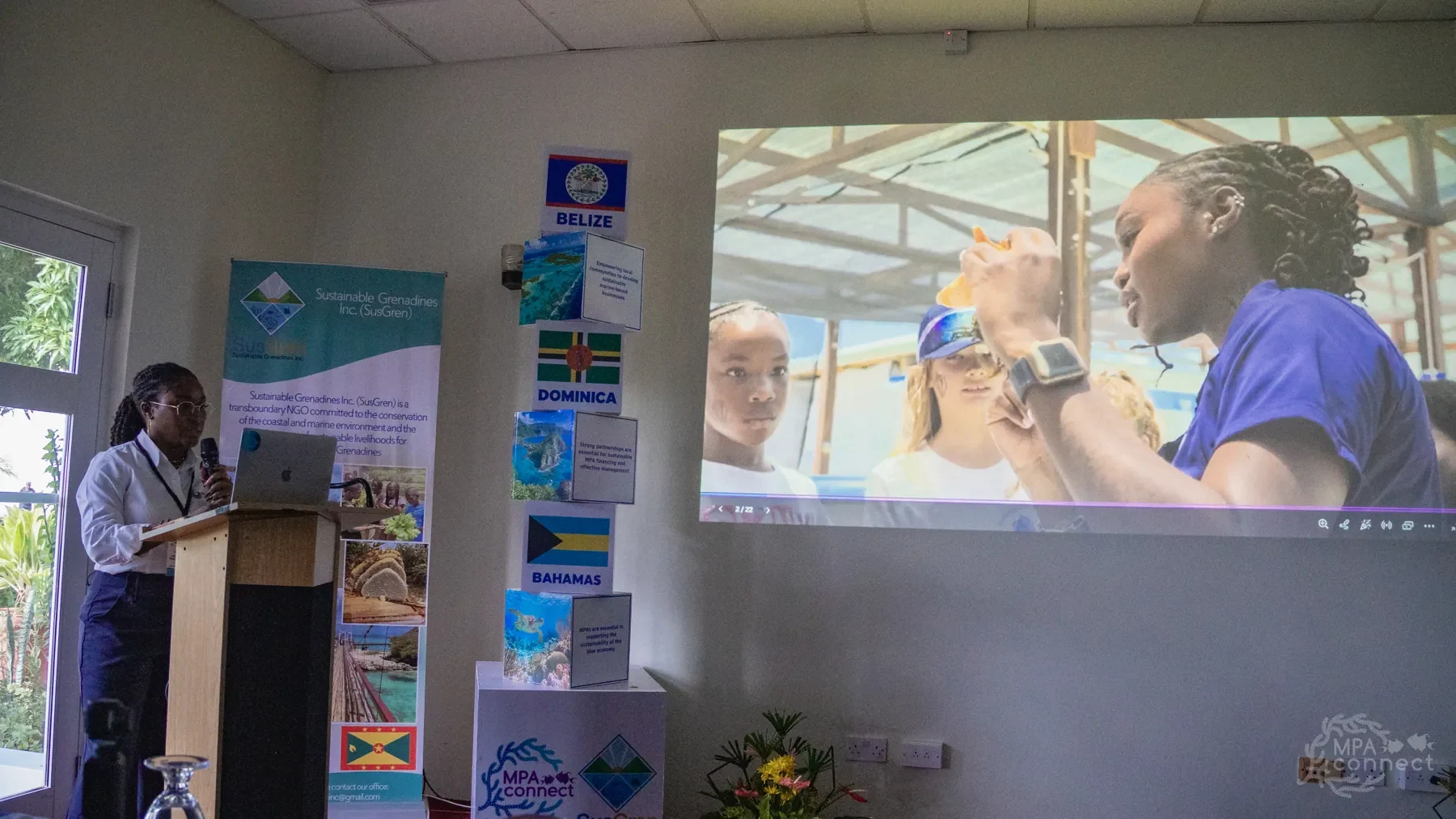
Download Ann-Marie’s Blue Action Lab presentation · 22 slides ↓
A DIFFERENT SCALE / BEVERLY WADE · BELIZE
Healthy marine ecosystems underpin the financing story.
Beverly Wade’s Blue Bonds discussion brought the day from individual visitor relationships to national commitments. She connected Belize’s financing experience to environmental stewardship and partnerships on the ground.
Her account described a structure linking refinancing, conservation funding and time-bound obligations. For managers, the connection is practical: financing agreements depend on the ability to deliver conservation work, maintain management systems and demonstrate progress.
Read alongside TASA and TIDE, this gives the day a wider perspective. Different mechanisms operate at different scales, but each raises questions about who manages the resources, what support reaches conservation and how results are reported.
Read Beverly’s session ↗03 / BEYOND THE PRESENTATIONS
Learning from one another
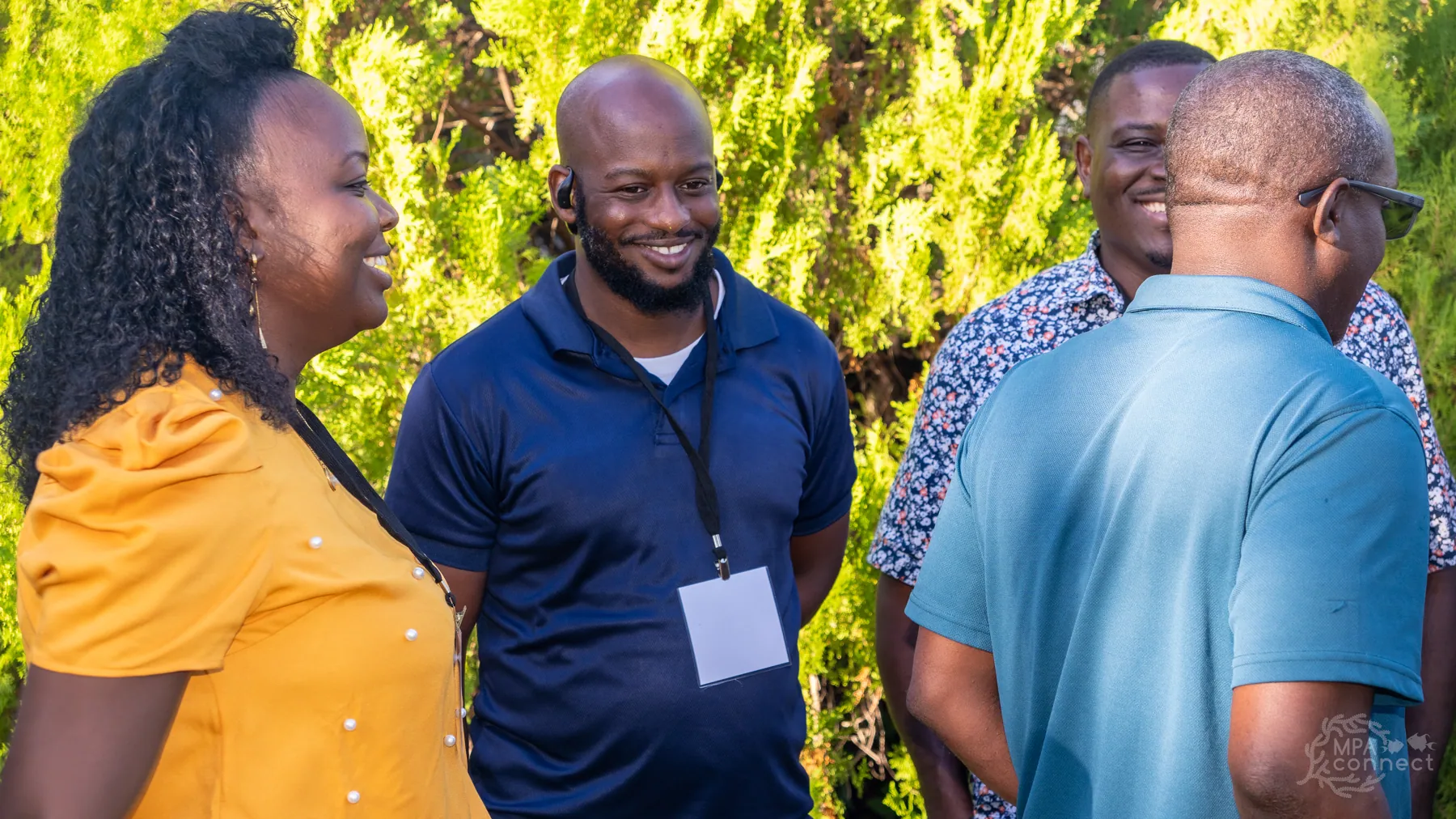
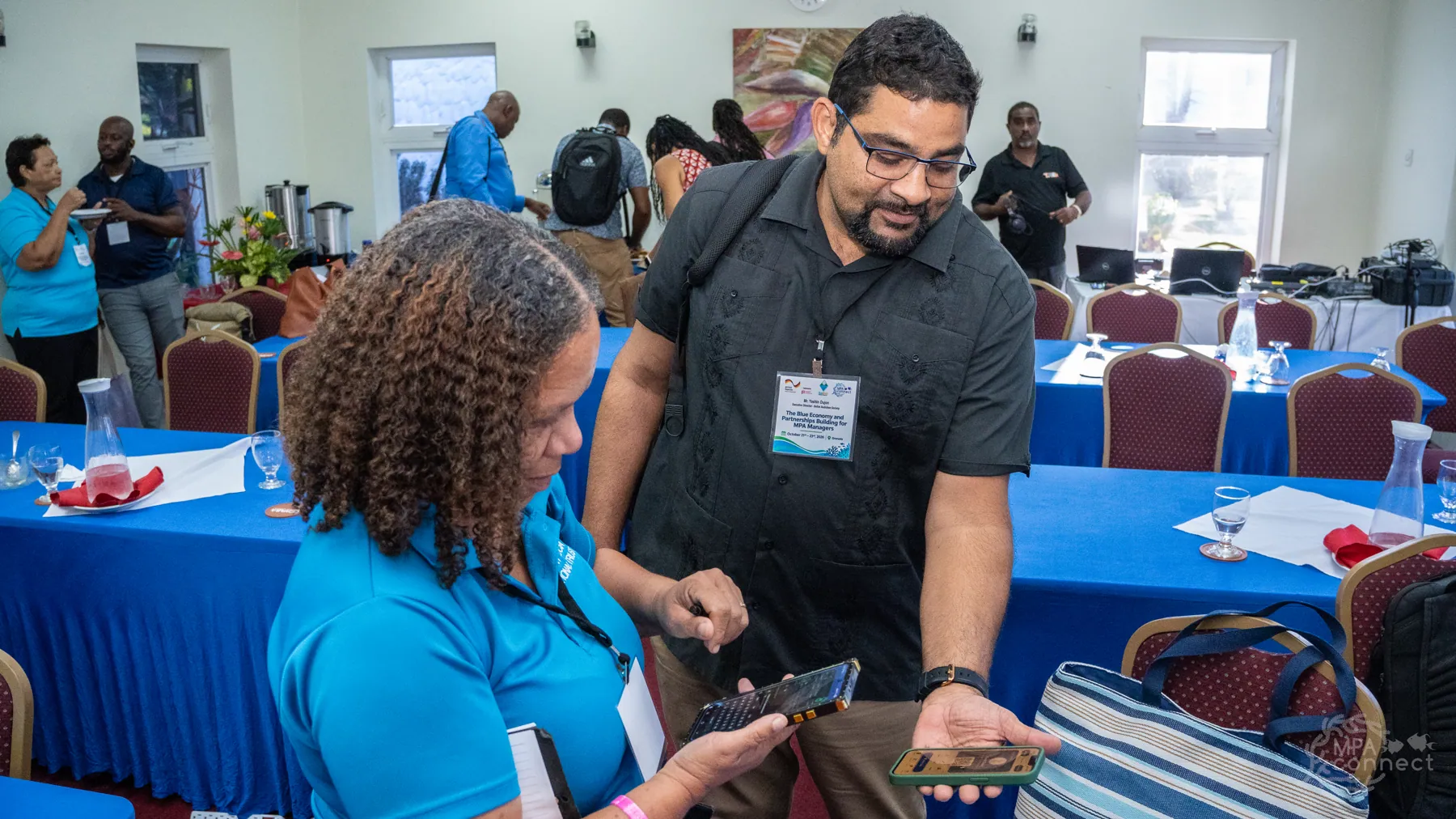
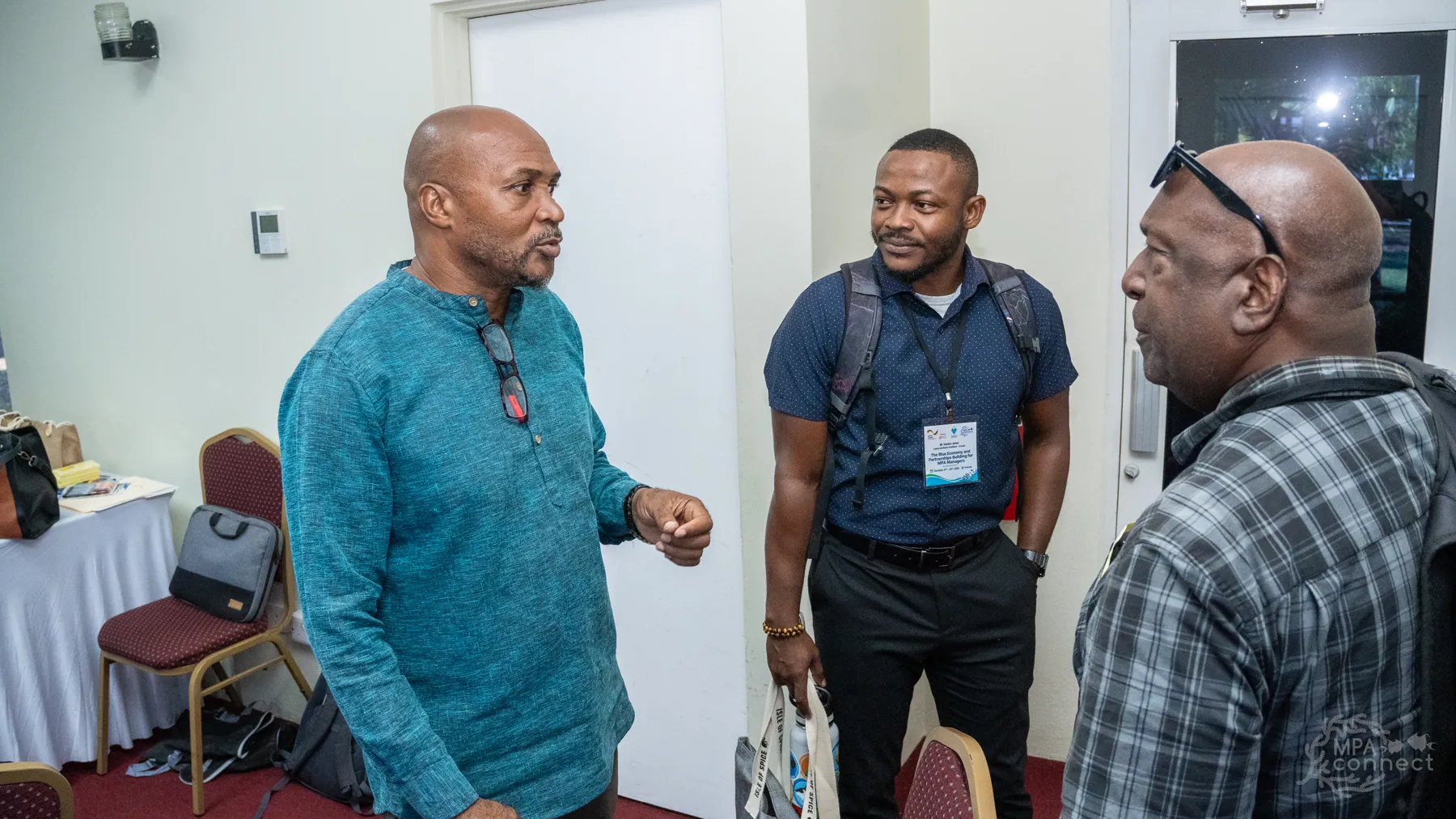
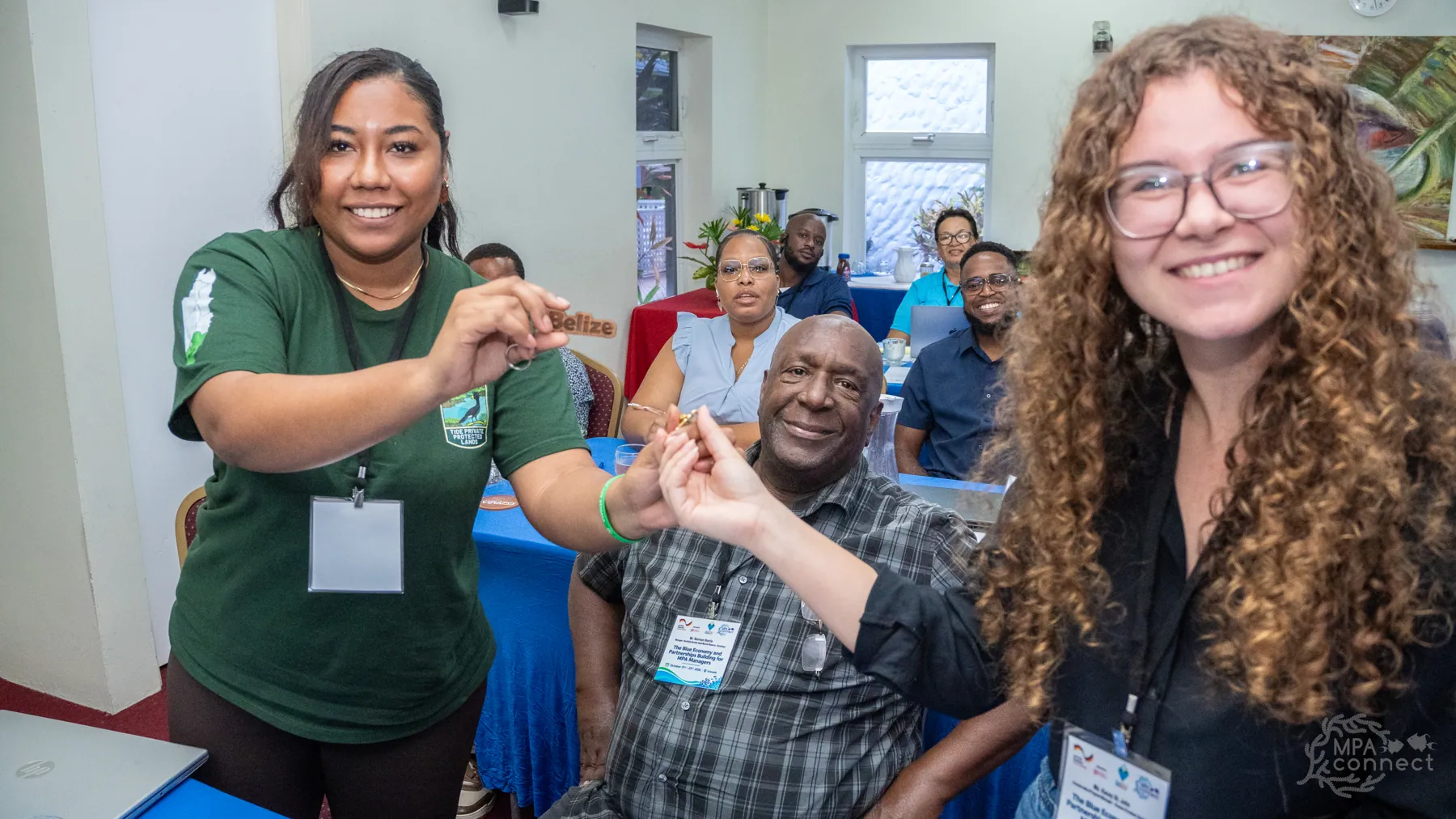
The day began with Laurah’s invitation to identify what already works, what stands in the way and what could be implemented. Those questions provide a useful way to read the case studies together, without assuming that a model can be copied unchanged from one protected area to another.
The smaller conversations around the formal sessions helped connect each idea with local partners, operating costs and conservation needs. These questions bring those connections into focus.
Identify the visitor, education institution, tourism business or community partner the idea depends on.
Consider staff time, payment systems, delivery costs and the capacity to maintain the relationship.
Define the management need and how contributions, costs and conservation results would be recorded.
GO DEEPER / DAY ONE
Explore the presentations
Explore Oliver’s and Delonie’s case studies, slides and recordings; Emma’s blue economy framing; Beverly’s Blue Bonds account; and Laurah’s opening remarks and later merchandising concepts.
 EMMA DOYLE · MPACONNECTDemystifying the Blue EconomyOpen session record ↗
 DELONIE FOREMAN · TASATurneffe Atoll Blue TalksOpen session record ↗
 OLIVER GARAY · TIDESTEM education tourism and sustainable financingOpen session record ↗
 LAURAH JOHN · GIZOpening remarks & later merchandising mock-upsOpen session record ↗
 BEVERLY WADEBelize Blue BondsOpen session record ↗
 ANN-MARIE CARROLL · BLUE ACTION LABBlue enterprise and community opportunityExplore the case study ↗