 FIELD NOTES / GRENADA 2026
THE PRESENTATION
Connecting education, visitor experiences and conservation
TIDE’s STEM programme connects field learning with the protected areas and communities of southern Belize.
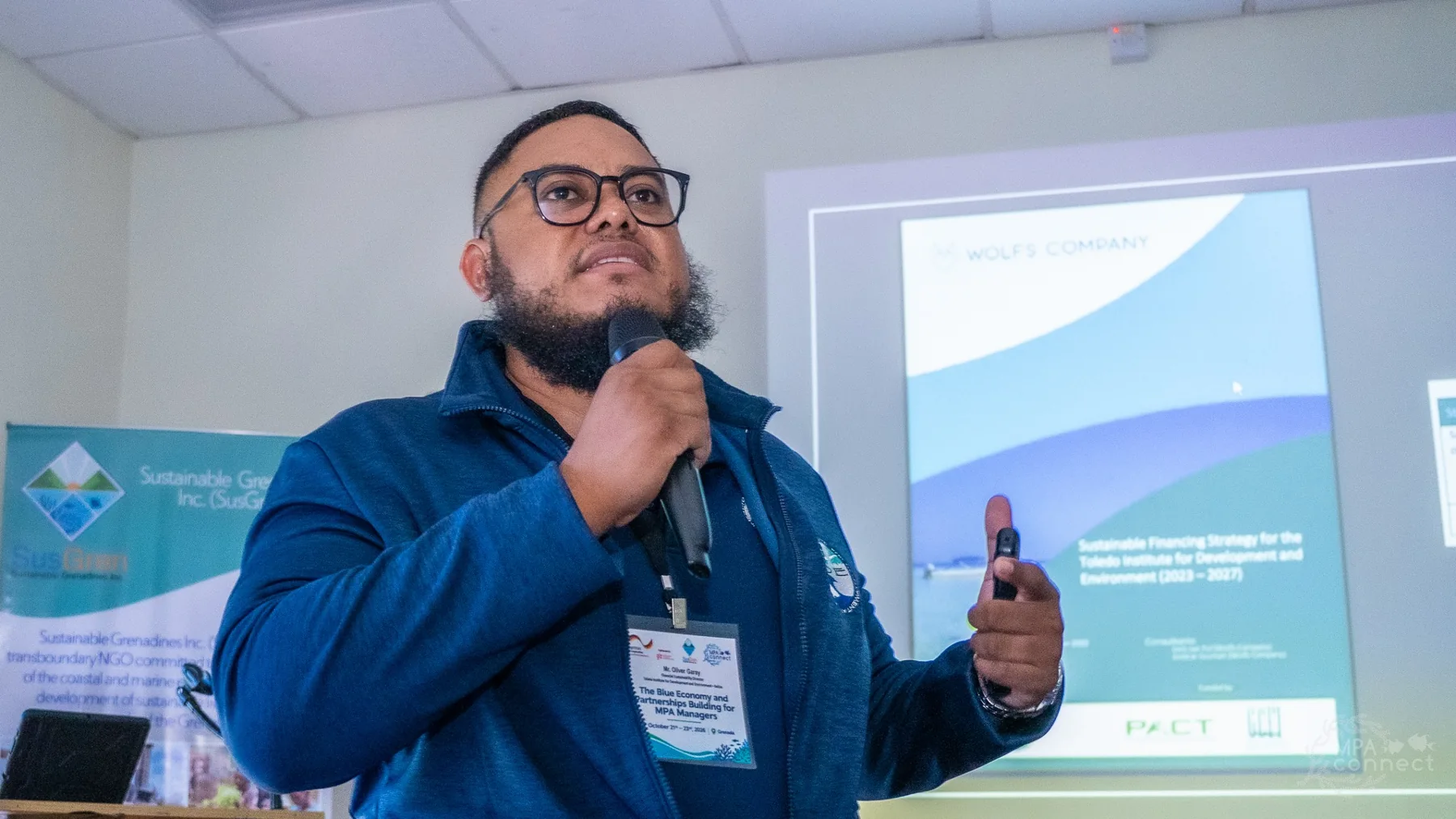
Oliver connected three parts of TIDE’s approach: education tourism through its STEM programmes, lasting institutional partnerships and the collaborative OPEN business model.
Questions for MPA managers
- Which conservation activities could also provide meaningful learning experiences for visitors and students?
- What partnerships would be needed to deliver those experiences responsibly?
- How would costs, staff time and conservation safeguards be accounted for?
- How could income generated by education activities contribute to long-term MPA management?
A CLOSER LOOK / DAY 01
Education, enterprise and conservation
An education programme becomes a useful case study when we examine how visitor experiences, partnerships and operating costs connect to conservation.
TIDE / THE EDUCATION TOURISM MODEL
Three ideas behind the model
Oliver’s model connects learning in protected areas with institutional partnerships and a collaborative tourism business.
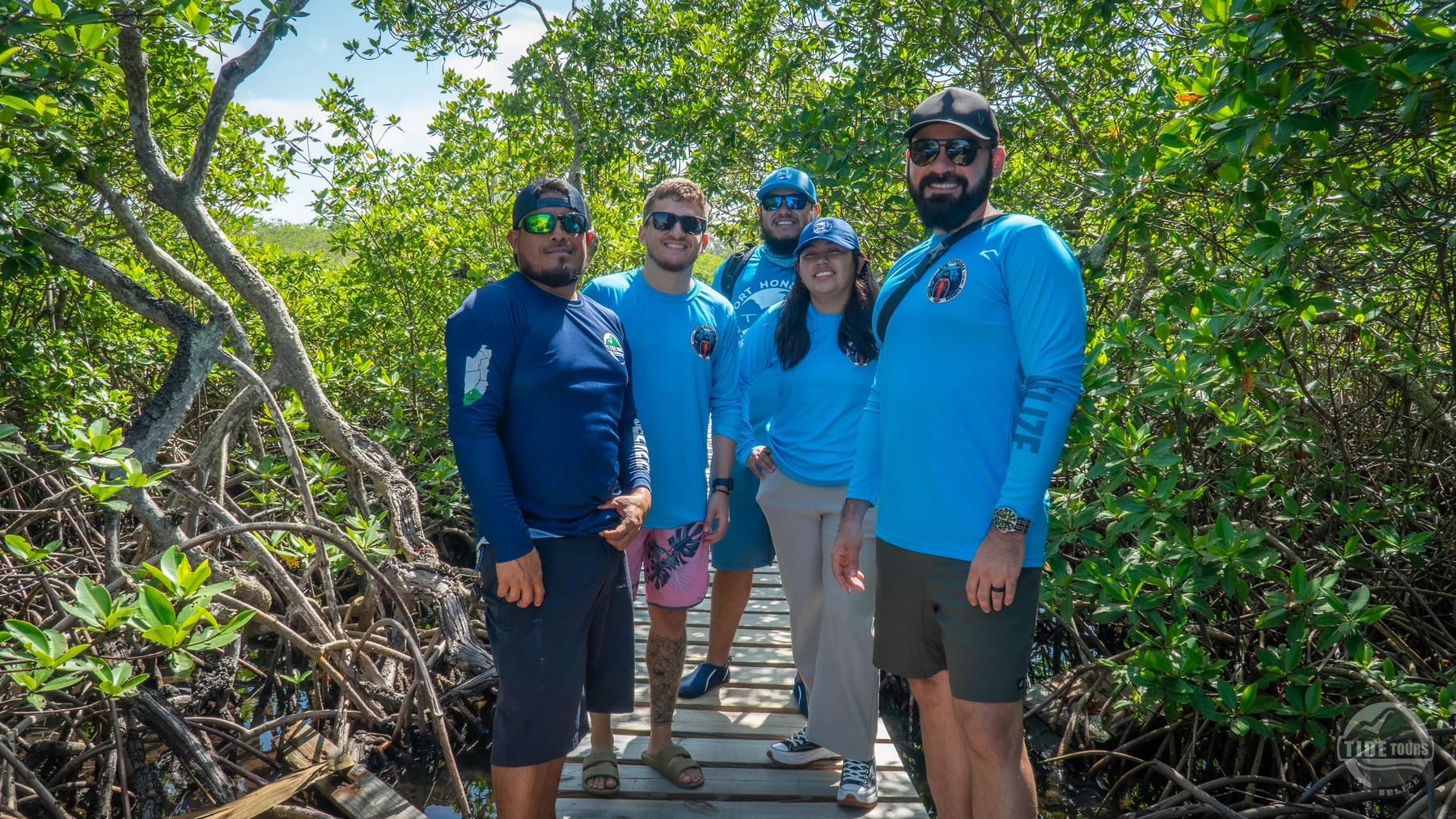
Education experiences rooted in protected areas
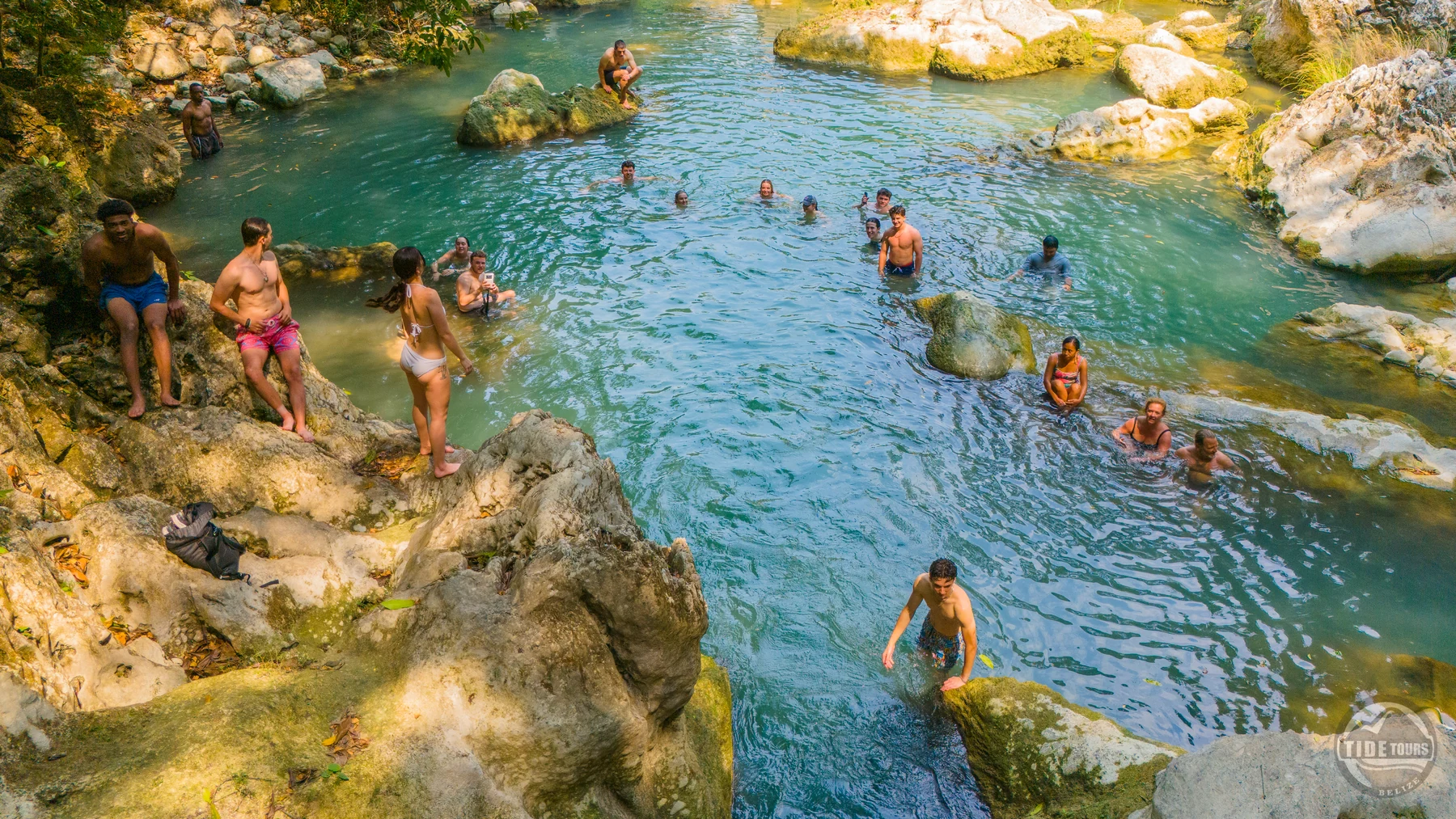
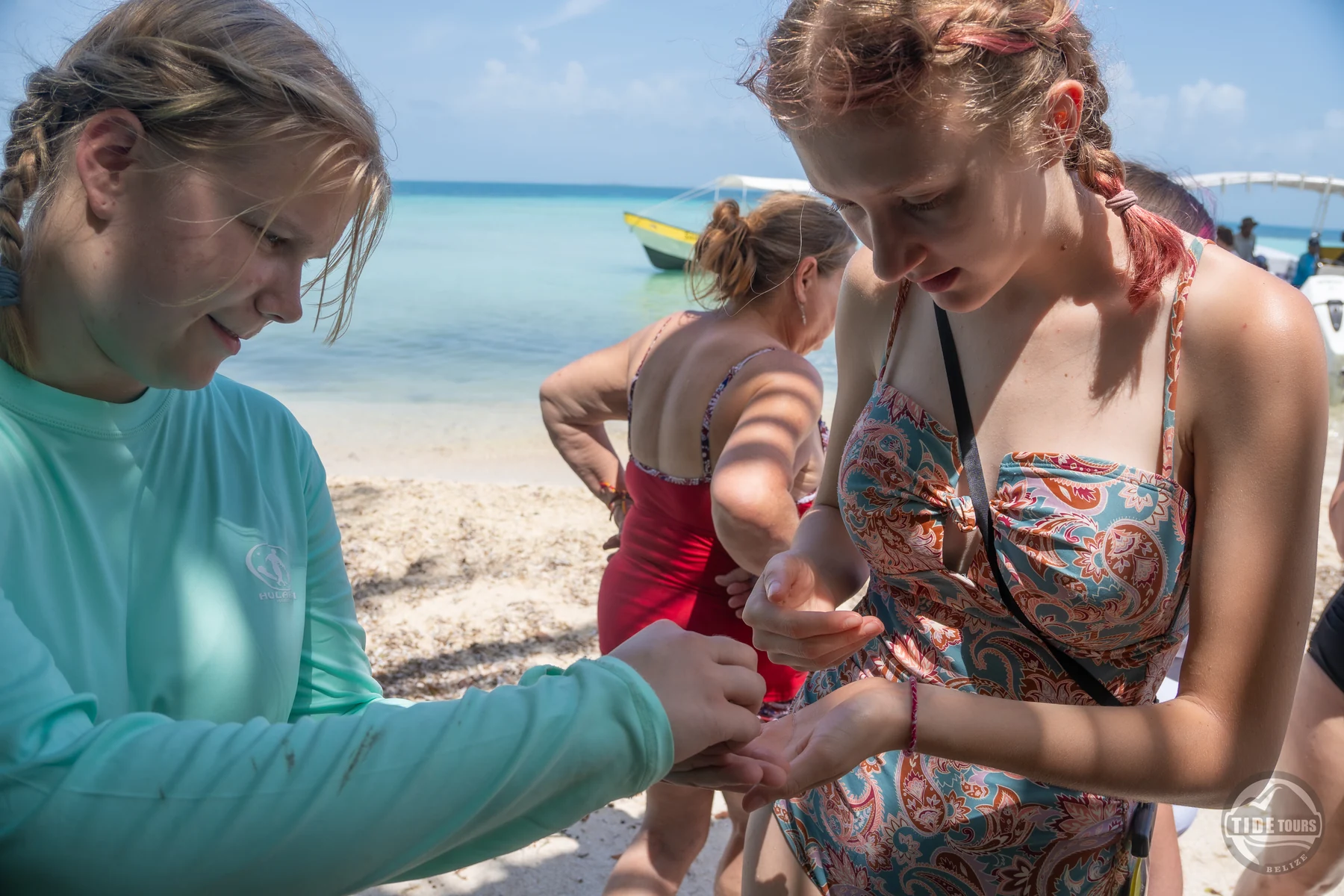
Oliver described education tourism as an opportunity for visiting student groups to learn in the protected areas TIDE manages. He discussed the importance of developing programmes around what institutions want to study, rather than offering a single fixed experience.
Partnerships that outlast individual contacts
Oliver emphasised curriculum alignment and partnerships with tertiary education institutions that extend beyond individual contacts. For other MPAs, the question is how to turn an educational visit into an ongoing institutional relationship.
Looking beyond the entrance fee
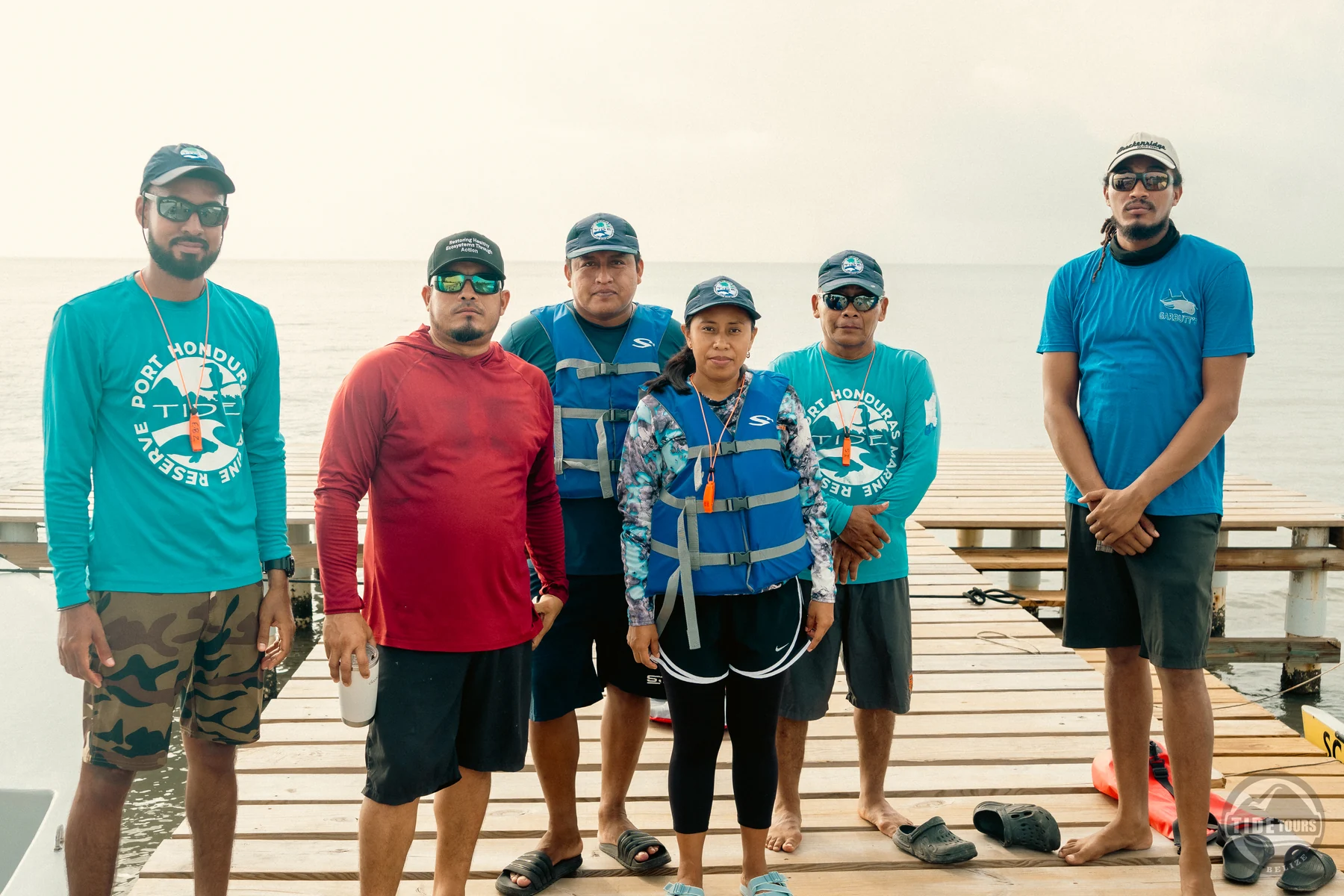
Oliver linked educational visits to income beyond access fees, including accommodation, food and logistics. TIDE Tours coordinates the visitor experience through its collaborative OPEN business model.
RECORDED AT THE WORKSHOP
Oliver Garay: Questions & answers
Watch Oliver answer questions about TIDE’s approach in this four-minute workshop recording.
PRESENTATION / OLIVER GARAY
Explore the presentation
Oliver’s complete 45-slide deck provides the evidence and detail behind this case study. Browse selected slides below, or open the original PDF to review the full presentation.
THE BLUEPRINT / KEY IDEAS FROM THE SLIDES
From educational visits to a repeatable business model
Start with the university’s learning goals
Move from one-off sightseeing towards curriculum-aligned field programmes, supported by a structured STEM catalogue and field-based conservation activities.
Slides 10, 19 and 21Compete internationally. Collaborate locally.
TIDE Tours positions itself as a coordination hub, drawing on local NGOs, tourism businesses and community guides rather than owning every service or asset.
Slide 32Separate turnover from conservation income
Programme fees first cover delivery costs and payments to local vendors. Any available unrestricted net proceeds can then help support conservation, subject to governance and financial realities.
Slides 31 and 34Measure more than visitor numbers
The presentation encourages MPAs to consider profit margins, local purchasing, educational outcomes and conservation value together, while recognising demand, operational and ethical risks.
Slides 40, 42 and 43